


Future of Gold has long been revered not just for its lustrous beauty but for its financial significance. From ancient civilizations that hoarded it as treasure to modern investors treating it as a hedge against risk, gold occupies a special place in global markets. But what does the future hold for this timeless metal? With record demand, shifting economic landscapes, and evolving investment behaviour, understanding gold’s trajectory in the coming years requires a careful look at key trends shaping its price and demand.
Recent Market Dynamics: Record Demand and Price Levels
future of gold (2025-2026) has experienced an unprecedented surge in both demand and price. According to the latest reports from the World Gold Council, global gold demand hit a record high — surpassing 5,000 tonnes — driven largely by investor demand as geopolitical uncertainty and concerns over currency stability intensified. Investment demand alone soared by over 80 %, outpacing traditional jewellery consumption.
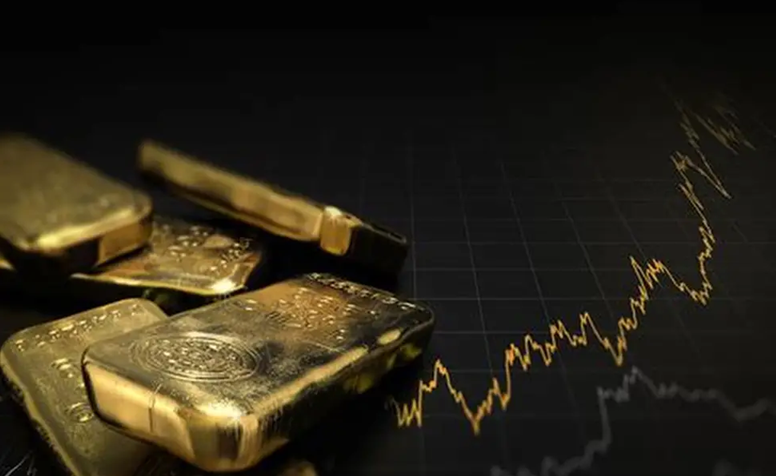
Complementing this trend, gold prices have climbed sharply, crossing historic levels that were once thought unlikely. In early 2026, spot prices were noted to exceed $5,500 per ounce, propelled by safe-haven buying during periods of economic uncertainty and weakening confidence in fiat currencies.
Why Gold Is Attracting Investors
Several forces are currently driving strong interest in gold:
1. Safe-Haven Appeal
Gold’s reputation as a refuge during turbulent times remains intact. In periods of geopolitical instability, inflationary pressures, or weakening currency confidence, investors typically turn to gold to preserve value and diversify risk. This “flight to safety” impulse has been evident across global markets, with gold ETFs and bullion purchases rising significantly as risk aversion spreads.
2. Central Bank Accumulation
Central banks around the world have been accumulating gold at elevated levels. This trend reflects a broader strategy of reducing reliance on any single currency — particularly the U.S. dollar — and diversifying official foreign exchange reserves. Continued purchases by central banks provide a structural support for gold demand and prices, as it reduces available supply and signals confidence in gold’s long-term importance.
3. Interest Rates and Monetary Policy
Global monetary policy — especially in major economies like the United States — plays a significant role in determining gold’s attractiveness. When interest rates are low or expected to fall, the opportunity cost of holding non-yielding assets like gold declines, making bullion more appealing relative to bonds or cash. Several forecasts suggest that expected interest rate cuts could further bolster gold prices in the near term.
4. Currency Trends and Inflation
Inflation — the gradual rise in general price levels — erodes the purchasing power of money. Because gold has historically preserved purchasing power over time, it is often sought as a hedge against inflation. Coupled with concerns about currency devaluation in some regions, continued inflationary pressures could reinforce demand for gold.
Forecasts and Price Predictions for Future of Gold
Forecasting financial markets is never certain, but many analysts and institutions provide informed projections based on current trends:
-
The World Gold Council has suggested that gold prices could rise by 15 %–30 % in 2026, supported by weak yields, geopolitical cues, and risk aversion driving safe-haven flows.
-
Major investment banks — including Goldman Sachs — have raised their price forecasts for gold, indicating potential upside if structural and cyclical conditions persist. For example, Goldman analysts have pointed to prices near $4,900 per ounce in 2026 under current trends.
-
Some forecasts see even more aggressive targets under specific scenarios. While very optimistic, such projections highlight the belief among some market participants that continued demand and limited supply could push prices higher.
These forecasts are not guarantees, but they provide a calculated range of what could unfold if key drivers remain in place.
Risks and Potential Headwinds
Not all future scenarios are bullish. Gold’s direction will inevitably be influenced by several risk factors:
1. Interest Rate Shifts
If inflation subsides faster than expected and major central banks adopt a tight monetary stance (higher interest rates), gold could lose some allure. Higher real yields increase the opportunity cost of holding gold, potentially dampening demand.
2. Strong Dollar or Equity Markets
A strong U.S. dollar or robust performance in equity markets can reduce demand for gold. Investors may choose higher-yielding assets when confidence in economic growth rises, slowing flows into bullion.
3. Reduced Central Bank Buying
Much of the structural support for gold comes from central banks. If their buying slows due to changes in reserve policy or improved currency stability, gold may face downward pressure.
4. Jewellery Demand Fluctuations
In some regions — such as India — higher gold prices have dampened traditional jewellery demand. While investment demand has risen, weaker jewellery consumption could offset gains and impact overall market dynamics.
Long-Term Outlook: Beyond Short-Term Moves
While short-term price movements can be volatile, longer horizons often reflect broader economic and structural forces. Emerging economies like China and India will likely continue to influence demand as wealth and consumption patterns evolve. Moreover, technological uses in electronics and other industries — though smaller than investment and jewellery demand — may grow gradually, adding another layer of fundamental demand.
Academic and financial research also highlights a long-term association between gold and macroeconomic conditions such as global growth, inflation, and portfolio diversification strategies. Gold’s role in diversified portfolios — as a balance to equities and bonds — remains relevant even as market conditions change.
Conclusion
The future of gold is shaped by a complex interplay of economic policy, investor behaviour, geopolitical tensions, and structural demand trends. While uncertainty is inherent in any financial forecast, current data and expert analysis suggest that gold’s role as a safe-haven asset and strategic reserve is likely to endure. Forecasts point toward continued strength in the near future, supported by institutional demand, monetary trends, and ongoing global risks.
However, potential headwinds — including changes in interest rates, currency strength, and discretionary demand — could temper price growth. For investors, policymakers, and observers alike, gold’s future will continue to reflect broader economic narratives and market sentiment in the years ahead.