


Save money daily may sound difficult, especially when expenses keep rising, but small habits practiced consistently can make a big difference over time. You don’t need a high income to start saving; what you need is awareness, discipline, and smart decision-making. In this guide, we’ll explore practical and realistic ways to save money every day without sacrificing your quality of life.
Understand Where Your Money Goes
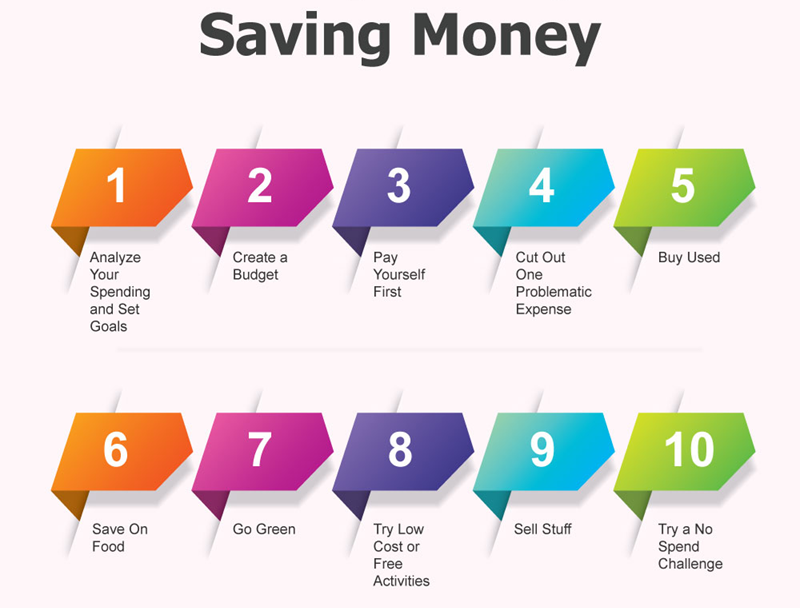
The first step to saving money daily is understanding your spending pattern. Many people are unaware of how much they spend on small, everyday expenses like snacks, subscriptions, or impulse shopping. Track your expenses for at least one month using a notebook or a budgeting app. Once you see where your money is going, it becomes easier to identify unnecessary expenses and cut them down.
Knowing your spending habits helps you make informed choices instead of emotional ones.
Create a Simple Daily Budget
A daily budget doesn’t have to be complicated. Set a realistic spending limit for each day based on your monthly income and essential expenses. Allocate money for food, transport, utilities, and savings. Even saving a small amount daily, such as ₹50 or ₹100, can add up to a significant sum over time.
The key is consistency. Treat saving as a non-negotiable expense, just like rent or electricity bills.
Avoid Impulse Buying
Impulse buying is one of the biggest obstacles to daily savings. Online sales, discounts, and advertisements often tempt us to spend money on things we don’t really need. Before making any purchase, ask yourself a simple question: “Do I need this right now?”
Waiting 24 hours before buying non-essential items can help you avoid unnecessary expenses and save money daily.
Cook at Home More Often
Eating out frequently can drain your wallet faster than you realize. Cooking at home is not only healthier but also much more economical. Planning your meals in advance and carrying homemade food to work or school can help you save a significant amount every day.
Even reducing outside food consumption by two or three days a week can have a noticeable impact on your monthly savings.
Reduce Utility and Energy Costs
Saving money daily also includes cutting down on utility bills. Simple habits like turning off lights when not in use, unplugging chargers, using energy-efficient appliances, and limiting water wastage can lower your electricity and water bills.
These small actions may seem insignificant, but over time they contribute to noticeable savings.
Use Cash or Digital Wallet Limits
Paying with cash or setting limits on digital wallets can help control overspending. When you physically see money leaving your wallet, you become more conscious of your expenses. If you use digital payments, set a daily spending limit to avoid unnecessary purchases.
This habit encourages mindful spending and helps you stick to your daily budget.
Cancel Unused Subscriptions
Many people pay for subscriptions they rarely use, such as streaming platforms, apps, or gym memberships. Review your subscriptions regularly and cancel those that are not adding value to your life.
Redirecting this money into savings can significantly boost your daily and monthly financial goals.
Shop Smart and Compare Prices
Always compare prices before making a purchase, whether online or offline. Use discount coupons, cashback offers, and seasonal sales wisely, but don’t buy things just because they are on sale.
Smart shopping means buying what you need at the best possible price, not buying more.
Set Clear Financial Goals
Having a clear goal makes saving money daily more meaningful. Whether it’s building an emergency fund, planning a vacation, or investing for the future, knowing why you’re saving keeps you motivated.
Break your goals into small, achievable targets and track your progress regularly.
Make Saving a Habit, Not a Task
Saving money daily should become a habit rather than a burden. Start small, stay consistent, and gradually increase your savings as your income grows. Celebrate small milestones to stay motivated and committed to your financial journey.
Remember, financial stability is built through daily actions, not overnight success.
Final Thoughts
Learning how to save money daily is one of the most valuable life skills. By making conscious choices, avoiding unnecessary expenses, and staying disciplined, you can take control of your finances and build a secure future. Small steps taken every day lead to big financial rewards over time.
Start today, and your future self will thank you.

