




Business finance is the lifeblood of every company. Whether it’s a small shop, a growing startup, or a large corporation, no business can run smoothly without proper financial planning and management. In simple words, business finance refers to the money and resources required to start, operate, and grow a business. It also includes the methods of obtaining funds, managing them efficiently, and ensuring that every rupee is used wisely to maximize profit and long-term stability.
In this blog, we’ll break down what business finance means, why it matters, its key components, and how businesses make financial decisions.
Understanding Business Finance
Business finance covers all activities related to obtaining and managing money for business operations. It is not just about handling cash — it also includes budgeting, forecasting, investing, managing assets, controlling expenses, and planning for the future.
When a business makes financial decisions, it focuses on three major questions:
-
How much money does the business need?
-
Where will the money come from?
-
How will the money be used efficiently?
Proper answers to these questions help a company stay stable and competitive.
Why Is Important
Business finance is essential because it influences almost every aspect of a company’s functioning. Here are some key reasons why it matters:
1. Smooth Daily Operations
From paying salaries to buying raw materials, every business transaction requires money. Without proper finance, even a profitable business can face operational problems.
2. Business Growth and Expansion
If a company wants to expand its product line, open new branches, or invest in new technology, it needs funds. Business finance ensures that growth plans are well-supported.
3. Risk Management
Market conditions can change unexpectedly. With proper financial planning, a business can create reserves, handle downturns, and manage risks effectively.
4. Improved Decision-Making
Financial records give insights into profit, loss, cost, and performance. With accurate financial information, business owners can make smart decisions and plan for the future.
5. Long-Term Stability
A business can survive only when it balances revenue and expenses. Strong financial management ensures stability and long-term sustainability.
Types of Business Finance
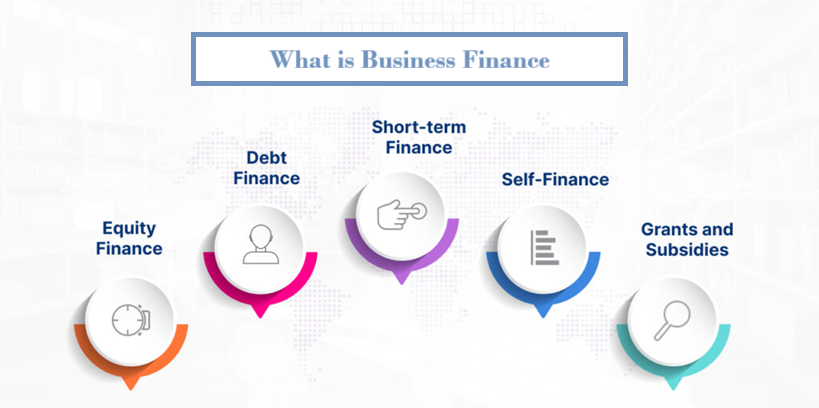
Business finance can be broadly divided into two categories based on the source of funds: internal and external.
1. Internal Finance
Internal finance refers to funds generated within the business. Examples include:
-
Retained Profit – part of the profit kept aside for future use.
-
Sale of Assets – selling unused equipment or property.
-
Owner’s Capital – money invested by the business owner.
Internal finance is usually cheap and flexible but may be limited in amount.
2. External Finance
External finance comes from sources outside the business. Common forms include:
-
Bank Loans – borrowed money that must be repaid with interest.
-
Equity Finance – money raised by selling shares of the company.
-
Trade Credit – suppliers allow the business to buy now and pay later.
-
Venture Capital – investors provide funds for startups with high potential.
-
Government Grants – financial support by the government for specific activities.
External finance helps businesses grow faster but may come with obligations like interest payments or loss of ownership.
Key Components of Business Finance
Business finance involves several activities that help maintain financial health. Some of the major components include:
1. Financial Planning
Financial planning is the process of estimating how much money the business will need in the future. It ensures that the company has funds available at the right time.
2. Budgeting
Budgeting helps allocate resources to different departments and activities. It prevents overspending and ensures money is used effectively.
3. Working Capital Management
Working capital refers to money used for daily operations. Managing it well ensures the business can meet short-term expenses without any interruption.
4. Investment Decisions
Also known as capital budgeting, this involves deciding where and how much to invest in long-term projects such as machinery, infrastructure, or technology.
5. Funding Decisions
These decisions involve selecting the right sources of finance. A business must balance between loans, equity, and internal funds to minimize cost and maintain stability.
6. Financial Control
Financial control ensures that the business sticks to its budget and financial plans. Tools like profit analysis, audits, and cost control help maintain discipline.
How Business Finance Supports Decision-Making
With proper financial information, businesses can:
-
Identify profitable opportunities
-
Reduce unnecessary expenses
-
Plan future investments
-
Set realistic goals
-
Improve overall business performance
Without solid financial management, even a great idea or product can fail.
Conclusion
Business finance is the backbone of any successful organization. It provides the money, direction, and stability needed to operate efficiently, overcome challenges, and achieve long-term growth. Whether you are starting a new business or managing an established one, understanding business finance is essential for making informed decisions and building a strong financial foundation.
A company that manages its finances well is always better prepared to handle risks, grab opportunities, and move confidently toward success.