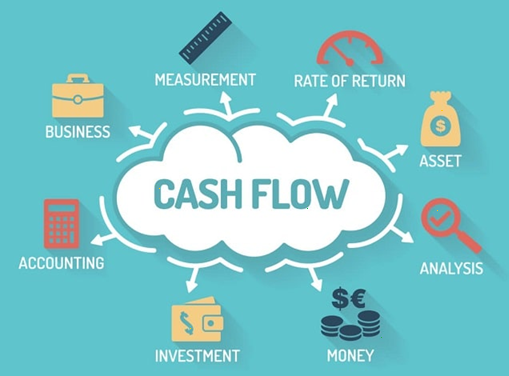





Cash flow is one of the most important financial concepts for individuals, businesses, and investors. Whether you run a small shop, manage a company, or simply handle your household budget, understanding cash flow helps you make smarter financial decisions. In simple terms, cash flow refers to the movement of money in and out of a business or personal account during a specific period.
This guide explains what cash flow is, why it matters, its types, and how to manage it effectively.
Understanding the Meaning of Cash Flow
Cash flow is the net amount of cash being transferred into and out of a business or personal account. If more money comes in than goes out, it is called positive cash flow. If more money goes out than comes in, it is called negative cash flow.
For example, if a business earns ₹5,00,000 in revenue in a month but spends ₹3,50,000 on salaries, rent, and other expenses, it has a positive cash flow of ₹1,50,000. On the other hand, if expenses exceed earnings, the business faces negative cash flow.
It is important to note that cash flow is different from profit. A company can show profit on paper but still struggle with cash flow if payments from customers are delayed.
Why Cash Flow Is Important
Cash flow is often considered the lifeline of any business. Here’s why:
1. Ensures Smooth Operations
Regular cash inflow allows businesses to pay salaries, rent, suppliers, and utility bills on time.
2. Helps in Financial Planning
Tracking cash flow helps individuals and companies plan future investments and manage expenses wisely.
3. Reduces Financial Stress
For individuals, maintaining positive cash flow prevents debt accumulation and financial instability.
4. Attracts Investors
Investors and lenders carefully examine a company’s cash flow before investing. Strong and consistent cash flow indicates financial stability.
Types of Cash Flow
Cash flow is generally divided into three main categories:
1. Operating Cash Flow (OCF)
Operating cash flow refers to cash generated from normal business operations. It includes money received from customers and cash paid for operational expenses like salaries and inventory.
For example, if a retail store collects payments from customers and pays its suppliers, the net result is its operating cash flow.
2. Investing Cash Flow
Investing cash flow involves money spent or earned from investments. This includes buying equipment, purchasing property, or selling assets.
If a company buys new machinery, cash decreases. If it sells old equipment, cash increases.
3. Financing Cash Flow
Financing cash flow relates to money received from or paid to investors and lenders. This includes loans, issuing shares, or paying dividends.
If a company takes a bank loan, it increases financing cash flow. Repaying a loan decreases it.
Cash Flow Statement Explained
A cash flow statement is a financial document that summarizes how much cash enters and leaves a business during a specific period. Along with the income statement and balance sheet, it forms an essential part of financial reporting.
The cash flow statement typically includes:
-
Cash from operating activities
-
Cash from investing activities
-
Cash from financing activities
This statement helps stakeholders understand how a company manages its money.
Positive vs Negative Cash Flow
Positive Cash Flow
Positive cash flow means more cash is coming in than going out. It indicates that a business or individual is financially healthy. With positive cash flow, companies can expand operations, invest in new projects, and repay debts comfortably.
Negative Cash Flow
Negative cash flow occurs when expenses exceed income. While short-term negative cash flow may not always be harmful (especially during expansion), long-term negative cash flow can lead to serious financial problems.
Common Causes of Cash Flow Problems
Many businesses struggle not because they are unprofitable, but because of poor cash flow management. Common reasons include:
-
Late payments from customers
-
High inventory costs
-
Excessive operating expenses
-
Poor financial planning
-
Rapid expansion without sufficient funds
Understanding these causes helps in preventing financial crises.
How to Improve Cash Flow
Improving cash flow requires careful management and planning. Here are practical steps:
1. Monitor Expenses
Track all expenses regularly and eliminate unnecessary costs.
2. Speed Up Receivables
Encourage customers to pay quickly by offering discounts for early payments.
3. Manage Inventory Wisely
Avoid overstocking products that tie up cash unnecessarily.
4. Negotiate with Suppliers
Try to extend payment terms with suppliers to maintain liquidity.
5. Maintain Emergency Funds
Having reserve funds helps manage unexpected expenses.
Cash Flow for Individuals
Cash flow is not only important for businesses but also for personal finance. For individuals, cash flow simply means income (salary, rent, freelance work) minus expenses (EMIs, groceries, bills).
Maintaining positive personal cash flow ensures:
-
Savings growth
-
Debt reduction
-
Financial security
-
Better investment opportunities
Budgeting and expense tracking are key tools for improving personal cash flow.
Cash Flow vs Profit: Key Differences
Many people confuse cash flow with profit. However, they are not the same:
-
Profit is the remaining amount after deducting expenses from revenue.
-
Cash flow tracks actual cash movement.
A business may show profit but still face cash shortages if customers delay payments or large bills are due immediately.
Final Thoughts
Cash flow is the backbone of financial stability. Whether you are a business owner, investor, or salaried employee, understanding how money moves in and out of your account is essential. Positive cash flow ensures smooth operations, supports growth, and reduces financial risk.
By regularly monitoring income and expenses, planning ahead, and making informed financial decisions, you can maintain healthy cash flow and achieve long-term financial success.
In today’s competitive world, mastering cash flow management is not just an option—it is a necessity
The Calculated Future of Silver: An Informative Outlook