
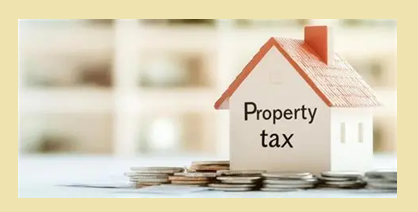
Property tax is one of the most important yet often misunderstood financial obligations for homeowners. Whether you own a house, apartment, commercial building, or even vacant land, property tax plays a crucial role in maintaining civic infrastructure and public services. In India and across the world, it is a primary source of revenue for local governments.
Property Tax for Varanasi Municipal Corporation, Uttar Pradesh | National Government Services Portal
What is Property Tax?
Property tax is a tax levied by local government authorities such as municipal corporations or panchayats on real estate properties. These properties include residential homes, commercial buildings, and land. The owner of the property is responsible for paying this tax annually or semi-annually, depending on local rules.
The amount collected through property tax is used to fund essential public services like road maintenance, sanitation, water supply, street lighting, and public schools.
Types of Properties Subject to Tax
Property tax is applicable to different types of real estate, including:
- Residential properties (houses, flats, apartments)
- Commercial properties (shops, offices, malls)
- Vacant land (in certain areas)
- Industrial buildings
Each category may have a different tax rate depending on the local authority’s policies.
How is Property Tax Calculated?
The calculation of property tax varies from one city to another, but it is generally based on the value of the property. Municipal authorities use different methods to determine this value:
1. Annual Rental Value System (ARV)
Under this system, the tax is calculated based on the estimated rental income the property could generate annually.
2. Capital Value System (CVS)
Here, the tax is based on the market value of the property. Cities like Mumbai follow this method.
3. Unit Area Value System (UAV)
In this system, the tax is calculated based on the per-unit price of the property depending on location, size, and usage. Cities like Delhi and Bengaluru use this approach.
Factors Affecting Property Tax
Several factors influence how much property tax you need to pay:
- Location of the property (prime areas attract higher tax)
- Size of the property
- Type of construction (residential or commercial)
- Age of the building
- Usage (self-occupied or rented)
- Amenities provided (parking, lift, etc.)
Understanding these factors can help you estimate your tax liability more accurately.
Importance of Property Tax
Property tax is not just a legal obligation—it plays a vital role in the development of your city. Here’s why it matters:
1. Infrastructure Development
Funds collected are used to build and maintain roads, bridges, and public facilities.
2. Civic Amenities
It helps ensure regular water supply, waste management, and street lighting.
3. Urban Planning
Local governments rely on property tax revenue for city planning and development projects.
4. Legal Compliance
Paying property tax on time ensures you avoid penalties and legal complications.
How to Pay Property Tax
Paying property tax has become easier with digital platforms. Most municipal corporations offer online payment options through their official websites.
Steps to Pay Online:
- Visit your local municipal corporation website
- Enter your property ID or owner details
- Verify property details
- Calculate tax amount
- Make payment via net banking, UPI, or debit/credit card
- Download the receipt for future reference
Offline payment options are also available at designated municipal offices.
Penalties for Non-Payment
Failing to pay property tax on time can lead to serious consequences:
- Late payment penalties or interest charges
- Legal notices from authorities
- Difficulty in selling or transferring the property
- In extreme cases, property seizure
To avoid such issues, it is advisable to pay your taxes before the due date.
Tax Benefits on Property Tax
The good news is that property tax payments can offer tax benefits under the Income Tax Act in India.
- Property tax paid can be deducted from rental income for let-out properties
- Homeowners can claim deductions under certain sections while filing income tax
Consulting a tax advisor can help you maximize these benefits.
Tips to Manage Property Tax Efficiently
Here are some practical tips to handle your property tax smoothly:
- Keep track of payment deadlines
- Maintain records of all receipts
- Verify property details regularly
- Check for applicable rebates (senior citizens, women owners, etc.)
- Use online portals for quick and transparent transactions
Common Mistakes to Avoid
Many property owners make errors that lead to unnecessary penalties:
- Ignoring tax notices
- Providing incorrect property details
- Missing payment deadlines
- Not updating ownership records after purchase
Being aware of these mistakes can save you both time and money.
Conclusion
Property tax is an essential responsibility that comes with owning real estate. While it may seem like a financial burden, it directly contributes to the development and maintenance of your city’s infrastructure. Understanding how property tax works, how it is calculated, and how to pay it efficiently can help you stay compliant and avoid penalties.
By staying informed and organized, you can manage your property tax obligations with ease and even take advantage of available tax benefits. Whether you are a first-time homeowner or a seasoned investor, knowing the basics of property tax is crucial for financial planning and responsible ownership.