




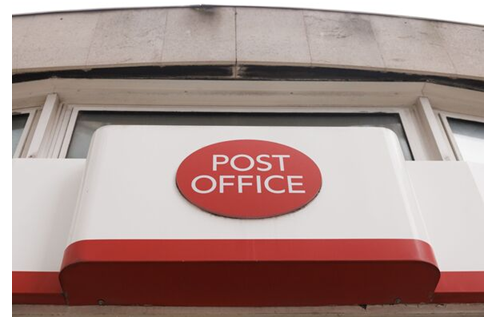
The post office is one of the oldest and most trusted public service institutions in the world. For centuries, it has played a vital role in connecting people, delivering messages, and supporting communication across cities, countries, and continents. Even in today’s digital era, where emails and instant messaging dominate, post offices continue to serve millions of people with essential services that go far beyond just delivering letters.
What is a Post Office?
A post office is a public facility that provides mail-related services such as sending and receiving letters, parcels, and documents. It is usually operated by a government or a national postal authority. In addition to mail delivery, modern post offices also offer financial services, retail products, and government-related services.
In countries like India, the postal system is managed by India Post, which is one of the largest postal networks in the world, with thousands of branches spread across urban and rural areas.
History of the Post Office
The concept of postal communication dates back thousands of years. Ancient civilizations like Egypt, Persia, and Rome used organized courier systems to send official messages. However, the modern postal system began to take shape in the 17th and 18th centuries.
In India, the postal system was formalized during British rule. The introduction of postage stamps and structured mail routes revolutionized communication. Over time, the system expanded to include rural areas, making communication accessible to everyone.
The post office became a symbol of reliability and trust, connecting families, businesses, and governments.
Key Services Offered by Post Offices
Today’s post offices provide a wide range of services that cater to different needs. Let’s look at some of the most important ones:
1. Mail Services
The primary function of a post office is to handle mail. This includes:
-
Sending letters, postcards, and parcels
-
Speed post and registered mail services
-
International mail delivery
These services ensure that communication reaches even the most remote areas.
2. Parcel and Logistics Services
With the rise of e-commerce, post offices have become key players in parcel delivery. They offer:
-
Domestic and international parcel shipping
-
Cash on delivery (COD) services
-
Tracking facilities for shipments
This has made post offices highly relevant in today’s online shopping ecosystem.
3. Banking and Financial Services
Post offices now provide various financial services, especially in rural and semi-urban areas:
-
Savings accounts
-
Fixed deposits and recurring deposits
-
Money transfer services
-
Postal life insurance
In India, the post office savings schemes are considered safe and reliable investment options.
4. Government Services
Post offices act as service centers for several government schemes:
-
Aadhaar enrollment and updates
-
Pension distribution
-
Utility bill payments
-
Distribution of government benefits
This makes them an important link between the government and citizens.
5. Retail Services
Many post offices also sell:
-
Stamps and stationery
-
Packaging materials
-
Philatelic products (stamp collections)
These services add to their convenience and accessibility.
Importance of Post Offices
Despite technological advancements, post offices remain highly important for several reasons:
1. Connecting Rural Areas
In many rural regions, internet access is limited. Post offices provide essential communication and financial services, helping bridge the urban-rural gap.
2. Affordable Services
Post offices offer cost-effective solutions compared to private courier companies. This makes them accessible to people from all income groups.
3. Trust and Reliability
Post offices are government-operated and have built a reputation for reliability over decades. People trust them for secure delivery and safe financial transactions.
4. Supporting E-Commerce
With increasing online shopping, post offices help deliver products to remote areas where private couriers may not operate.
5. Financial Inclusion
Post offices play a key role in promoting financial inclusion by offering banking services to people who may not have access to traditional banks.
Role of Post Offices in the Digital Age
The digital revolution has transformed communication, but post offices have adapted to stay relevant. They are now integrating technology to improve their services.
Some modern developments include:
-
Online tracking of parcels
-
Digital payment systems
-
E-post services (sending letters electronically that are printed and delivered physically)
-
Mobile banking through postal services
These innovations ensure that post offices continue to meet the needs of modern users.
Challenges Faced by Post Offices
While post offices remain important, they also face several challenges:
1. Decline in Traditional Mail
The use of emails and messaging apps has reduced the volume of traditional letters.
2. Competition from Private Couriers
Private logistics companies offer faster and premium services, creating competition.
3. Infrastructure Issues
In some areas, post offices may lack modern infrastructure or technology.
4. Financial Sustainability
Maintaining a large postal network can be costly, especially in rural regions with low demand.
Future of Post Offices
The future of post offices looks promising as they continue to evolve. Some trends that will shape their future include:
-
Increased focus on e-commerce logistics
-
Expansion of banking and financial services
-
Use of digital tools and automation
-
Partnerships with private companies
Post offices are likely to become multi-service centers that offer a combination of communication, financial, and digital services.
Conclusion
The post office is much more than just a place to send letters. It is a vital institution that connects people, supports businesses, and delivers essential services to millions. From its historical roots to its modern transformation, the post office has remained a symbol of trust and accessibility.
In countries like India, where diversity and geography create unique challenges, post offices play an even more critical role. They ensure that no matter where you live, you can stay connected with the world.
As technology continues to evolve, post offices are adapting and finding new ways to serve the public. Their ability to combine tradition with innovation ensures that they will remain relevant for years to come.